Rehab and Recovery: Pilates for Prenatal and Postpartum Strength

Pregnancy is a beautiful journey, but it can also bring physical challenges. Many women experience changes in their bodies that can affect their strength and mobility. After giving birth, the journey to regain strength can feel overwhelming. However, Pilates offers a gentle yet effective way to support both prenatal and postpartum recovery.
In this post, we will explore how Pilates can help you build strength, improve flexibility, and enhance your overall well-being during and after pregnancy.
Understanding Pilates
Pilates is a low-impact exercise method that focuses on core strength, flexibility, and overall body awareness. It emphasizes controlled movements and proper alignment, making it suitable for people of all fitness levels.
Key Benefits of Pilates
Core Strength: Pilates targets the deep abdominal muscles, which are crucial for stability and support during pregnancy and postpartum recovery.
Flexibility: The gentle stretching involved in Pilates helps improve flexibility, which can alleviate discomfort during pregnancy and aid recovery afterward.
Posture: Good posture is essential during pregnancy to support the growing belly. Pilates encourages proper alignment, which can help reduce back pain.
Mind-Body Connection: Pilates promotes mindfulness, helping you connect with your body and breath. This can be especially beneficial during the emotional ups and downs of pregnancy and postpartum life.
Pilates During Pregnancy
Starting Your Pilates Journey
If you are new to Pilates, it is essential to start with a qualified instructor who has experience working with pregnant women. They can guide you through safe modifications and ensure you are practicing correctly.
Safe Exercises for Expecting Mothers
Here are some Pilates exercises that are generally safe for pregnant women:
Pelvic Tilts: This exercise helps strengthen the lower back and abdominal muscles. Start on your hands and knees, gently arch your back, and then round it.
Cat-Cow Stretch: This movement promotes flexibility in the spine. Begin on your hands and knees, alternate between arching your back and dropping your belly toward the floor.
Side-Lying Leg Lifts: This exercise strengthens the hip muscles. Lie on your side and lift your top leg while keeping your hips stacked.
Listening to Your Body
As your pregnancy progresses, it is crucial to listen to your body. If something feels uncomfortable or painful, stop and consult your instructor.
Postpartum Pilates
The Importance of Recovery
After giving birth, your body goes through significant changes. It is essential to give yourself time to heal before jumping back into intense workouts. Pilates can be a gentle way to ease back into exercise.
Starting Slow
Begin with gentle movements that focus on reconnecting with your core. Here are some exercises to consider:
Kegel Exercises: These help strengthen the pelvic floor, which can be weakened during pregnancy and childbirth.
Modified Planks: Start on your knees and forearms, engaging your core. This helps build strength without putting too much pressure on your body.
Bridge Pose: This exercise strengthens the glutes and lower back. Lie on your back with your knees bent, lift your hips, and hold for a few seconds.
Gradually Increasing Intensity
As you regain strength, you can gradually increase the intensity of your Pilates practice. Incorporate more challenging exercises, such as:
Single-Leg Raises: This targets the core and hip muscles.
Roll-Ups: This movement helps improve spinal flexibility and core strength.
Side Planks: This exercise strengthens the obliques and improves overall stability.
Finding the Right Class
Choosing a Qualified Instructor
When looking for a Pilates class, seek out instructors who specialize in prenatal and postpartum fitness. They will have the knowledge to guide you safely through your practice.
Online vs. In-Person Classes
Consider your preferences and lifestyle when choosing between online and in-person classes. Online classes offer flexibility, while in-person classes provide hands-on guidance.
Creating a Supportive Environment
Finding Community
Connecting with other mothers can provide emotional support during your journey. Look for local or online groups that focus on prenatal and postpartum fitness.
Setting Realistic Goals
Set achievable goals for your Pilates practice. Celebrate small victories, such as completing a class or mastering a new exercise.
The Role of Mindfulness
Breathing Techniques
Incorporating breathing techniques into your Pilates practice can enhance relaxation and focus. Deep breathing helps reduce stress and promotes a sense of calm.
Visualization
Visualizing your goals can be a powerful tool. Picture yourself feeling strong and confident as you progress through your Pilates journey.
Staying Motivated
Tracking Your Progress
Keep a journal to track your Pilates practice and any changes you notice in your body. This can help you stay motivated and focused on your goals.
Rewarding Yourself
Celebrate your achievements, no matter how small. Treat yourself to a relaxing bath or a new workout outfit as a reward for your hard work.
Embracing the Journey
Understanding Your Body
Every woman's journey through pregnancy and postpartum recovery is unique. Embrace your body and its changes, and remember that it is okay to take your time.
Seeking Professional Guidance
If you experience pain or discomfort during your Pilates practice, consult a healthcare professional. They can provide personalized advice and support.
The Path Forward
Pilates can be a valuable tool for building strength and resilience during and after pregnancy. By focusing on core strength, flexibility, and mindfulness, you can enhance your overall well-being.
As you embark on this journey, remember to be patient with yourself. Celebrate your progress, connect with others, and enjoy the process of rediscovering your strength.
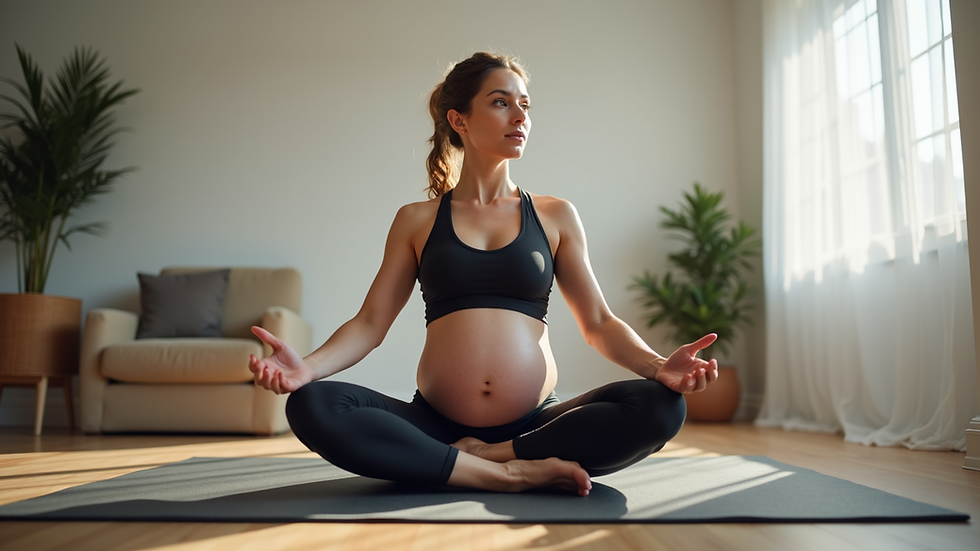
Your body is capable of incredible things. With Pilates, you can nurture your body and mind, paving the way for a healthier, stronger you. Embrace the journey of rehab and recovery, and let Pilates be your guide.

Comments